Aging Into Erotic Abundance

Midlife, erotic maturation, & the body beyond performance
7 min read, or jump to the abstract
At midlife, many of us feel disoriented by changes we were never prepared to grieve.
Bodies that once seemed eager to carry us toward pleasure may become slower, drier, less predictable, less sensitive.
We may find ourselves on unfamiliar and undesired erotic ground just as we start to feel a new sense of reality sink in about the limit of the years ahead of us. And the passions we sacrificed or postponed earlier in life may be pressing more sharply against us.
The midlife rumble as Brene Brown calls it, is not for the faint of heart. It is understandable to fear our erotic lives may be slipping away with our youthful bodies. And yet, while honouring the grief inherent in change, seeing this transition only as loss misses something essential.
Midlife can be an invitation toward erotic maturation, toward forms of erotic knowledge that often emerge only through complexity.
Erotic maturity does not make the losses less real. Physical pain, hormonal shifts, illness, medication-related sexual changes, relationship rupture, caregiving demands, grief, and loss can radically reshape erotic life. Confusion, anger, disappointment, and sorrow may now be a part of the tapestry of our erotic experience.
Erotic maturation is also not a moral achievement, a superior stage of sexuality, or something everyone must pursue. Every life stage has its gifts and challenges. Erotic maturation is simply one possible way of relating to the changes of aging that may feel meaningful or nourishing to some.
If we were gifted with bodily capacities that made physical erotic pleasure relatively easy to access in younger life, we may have taken them for granted. Physical pleasure may have felt like relatively low-hanging fruit. Over time, however many discover that easy fruit is no longer ripe for the picking, leaving us unsure how to reach what once came easily.
Adversity, however, has the capacity to grow us. This is as true in erotic life as in any other domains of human experience.
While youth may have offered some of us easier access to physical pleasure, that very ease does not demand we grow in erotic knowledge. For others, youth may never have offered easy erotic access at all. Trauma, shame, pain, disability, dysphoria, or lack of safety may have profoundly shaped the body’s relationship to pleasure long before aging entered the picture.
In both cases, complexity asking more of us may invite us toward a deeper understanding of ourselves, our partners, and the conditions that genuinely support aliveness. Changing arousal patterns can draw us into greater awareness of context, imagination, emotion, rhythm, breath, and nuanced sensation.

Midlife may ask us to shift from pursuing erotic performance
toward cultivating erotic aliveness.
In the process, we may need to become more vulnerable, communicative, flexible, and compassionate with ourselves and those we love. Disappointments may arrive. Expectations may need to soften or change. We may need to let go of scripts that make spontaneous desire, erection, lubrication, or orgasm the primary measures of successful sexuality.
Changing bodies are powerful teachers of ongoing consent.
Aging bodies can reveal consent as an ongoing sensory conversation rather than solely a mental choice. They ask us to become more awake, listening for when our bodies communicate non-verbally that this is or is not the time, or he way. This may require more planning, more communication, and greater attentiveness to emotional and physical context while also asking us to remain open to surprise.
In erotic maturation, rather than asking How do I get my body back? we may begin asking different questions: What forms of pleasure, connection, and aliveness are possible in this body today? How can I collaborate with my body and mind to discover what pleasure is available now?
The erotic landscape becomes more intentional and exploratory.
That shift can change everything.
I’m tired of articles that tell us how to be “Still Sexy after 40,” offer “Anti-Aging Tips for Better Sex,” or insist that “50 is the new 30.” The underlying assumption is that fighting our natural aging process will make us more desirable. But I have never known anyone to benefit long term from being at war with themselves. But entire industries do profit from encouraging us to be at war with ourselves.
Our bodies are political because how we relate to them is shaped socially.
The losses of aging can feel intensely personal and isolating. The loss of youthful functionality and desirability as social capital has real emotional and relational impact. Humans are designed to grieve and navigate change in community. The isolation many experience as they fall away from youthful ideals also helps sustain industries invested in selling the desirability of youth.
It is worth asking why erotic adaptation that embraces aging receives far less cultural attention than erotic restoration that attempts to preserve youth. How might we support one another in rewriting stories of erotic decline into stories of erotic expansion?
As I age, I know myself more deeply. Living through complexity, heartbreak, contradiction, change and grief, has changed what I value, what I pay attention to, and yes, what I want and how I experience my erotic life.
My sexuality at midlife does not need the word still in front of it.
It is not the sexuality of my younger years, nor would I want it to be.
Midlife can invite us to reorganize erotic life away from youthful ideals of desirability and toward something more individual, and deeply our own.
Usually, when we talk about aging, we talk about what we lose from youth. Let’s take a moment instead to consider what we might get to lose from youth: perhaps the assumption that sex or desire should be easy; that normative youthful beauty is a prerequisite for sexual confidence; the idea that “good” or satisfying sex must involve any particular functions, acts, or bodily outcomes.
The process of erotic maturation can be disorienting and difficult. But what process of maturation isn’t? If we begin to imagine erotic abundance at midlife not as an ability to hold on to who we once were, but as becoming more fully who we are, it can also be profoundly freeing.
It can be a rewilding — a loosening of the stories that taught us what our erotic life was supposed to be.
We may no longer have bodies that easily bring us to the heights of youthful ecstasy.
But some of us may discover new mysteries and something wilder growing in its place.
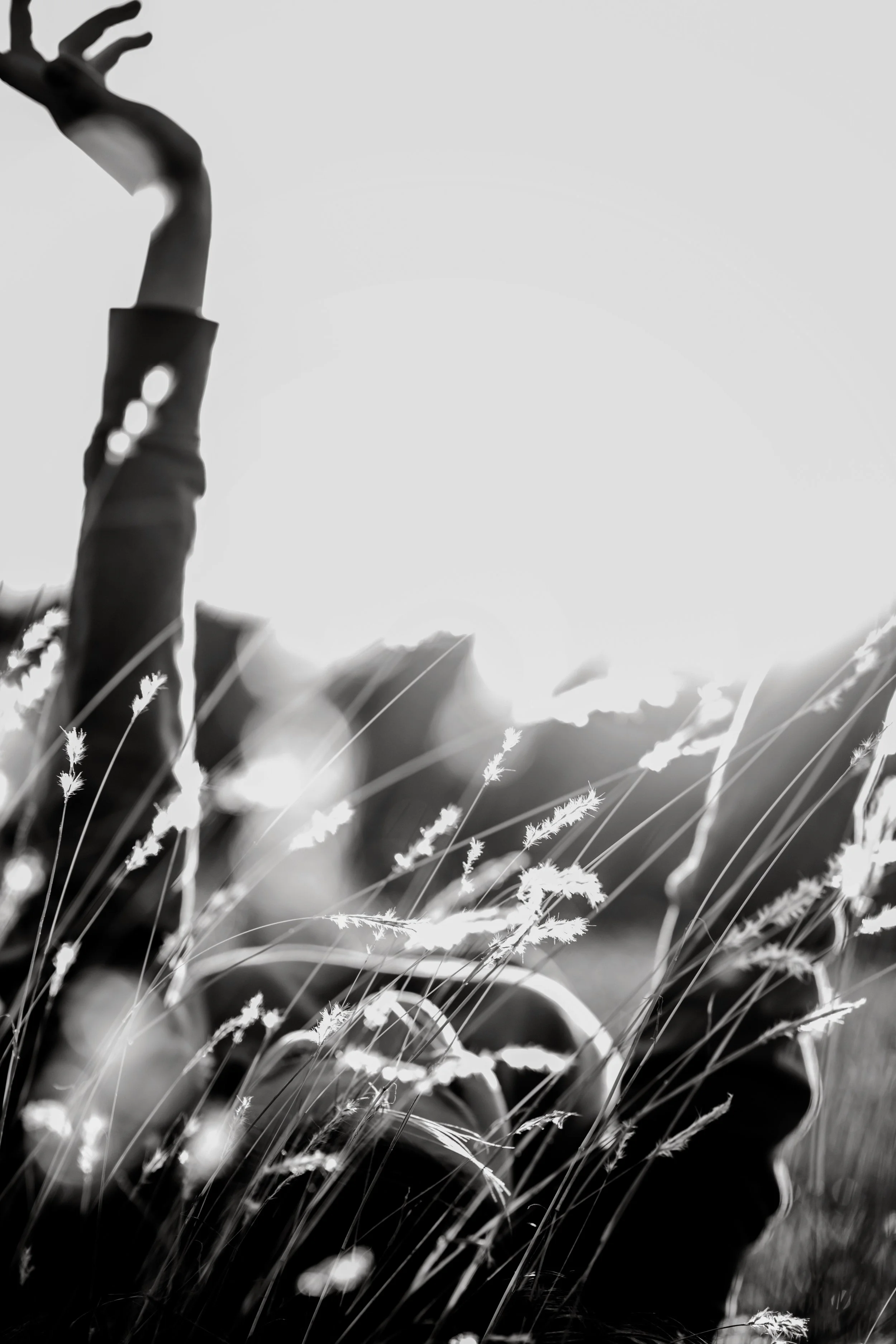
we may discover new mysteries
and something wilder growing in its place
Abstract
What if midlife sexuality is not simply a story of decline, but an invitation into a different relationship with pleasure, embodiment, and erotic life?
This article explores the idea of erotic maturation: the possibility that aging bodies, changing desire, and increasing complexity may invite deeper erotic knowledge rather than simply representing loss. Rather than framing midlife sexuality through anti-aging narratives or attempts to preserve youthful performance, the piece asks what becomes possible when we stop organizing erotic life around effortless function, desirability, and cultural expectations of youth.
While youth may offer easier access to pleasure, that very ease does not demand we grow in erotic knowledge.
The article explores how changing bodies can deepen communication, vulnerability, consent, attentiveness, and emotional nuance. It also examines the political and cultural forces that shape how we experience aging, desirability, and sexuality — and asks why erotic adaptation receives so much less attention than attempts to restore youth.
Midlife may ask us to shift from pursuing erotic performance toward cultivating erotic aliveness.
Ultimately, this piece argues that erotic abundance at midlife may not come from reclaiming younger versions of ourselves, but from becoming more fully who we are through complexity, grief, honesty, and self-knowledge.
Perhaps aging is not only about what we lose from youth — but also about what we finally get to lose from it.