
therapy for the relationship you have with your body
Your body does not have to become easier for something to change.
you may be tired…
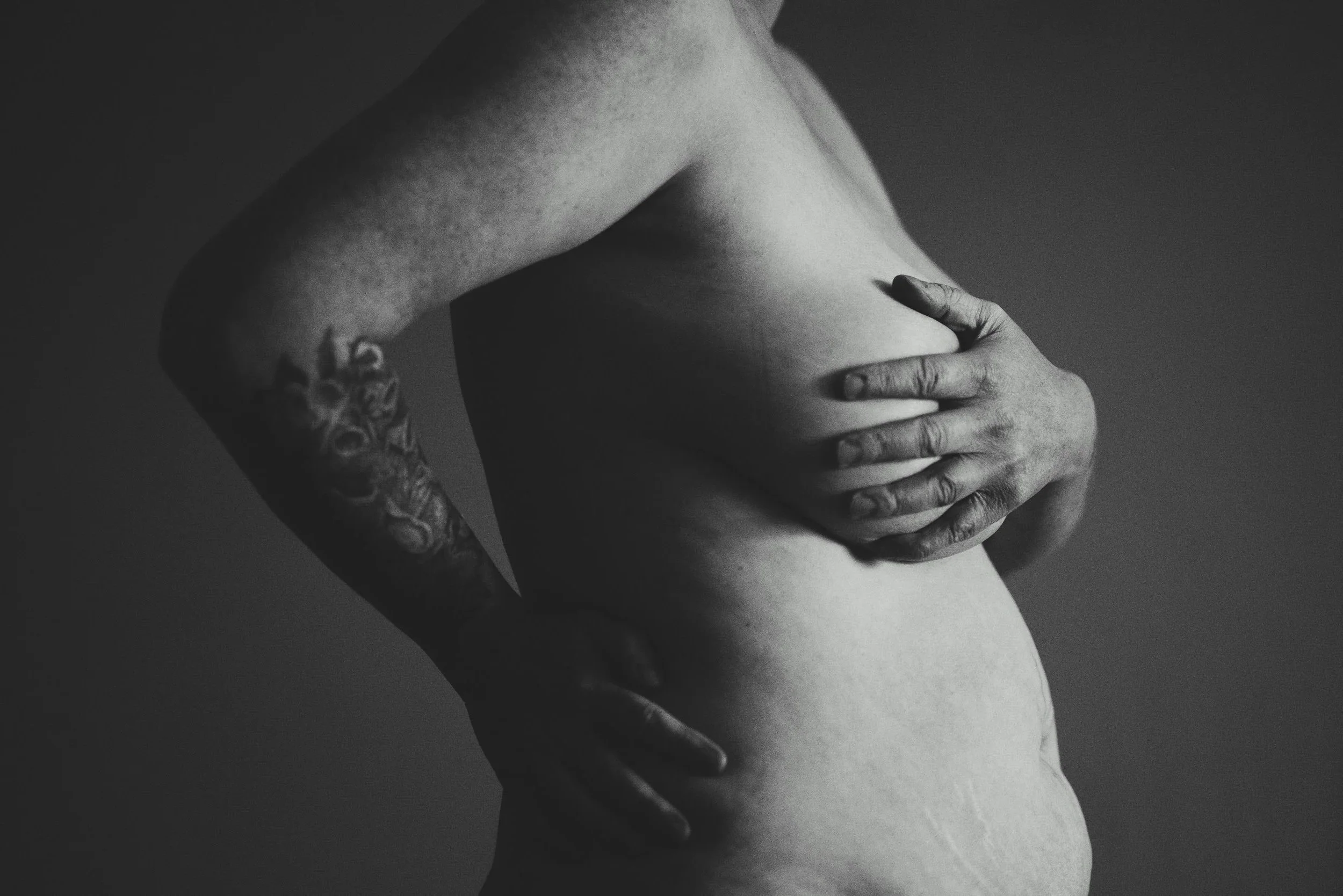
Tired of fighting.
Tired of fixing.
Tired of trying.
Maybe you’ve wondered:
Why can't I just accept my body?
Why is it so hard to feel connected to my body?
You don't have to figure this out on your own.
does it feel like your body has become an endless project?
This struggle makes sense in context. It doesn’t mean you’re broken.
You may have put so much time and energy into trying to change how this feels. And still, it can feel like:
Your body is a problem to solve
Self-criticism gets the first and last word
You're spending more time managing your body than living in it
Therapy can help you understand the forces shaping your relationship with your body and create more room for connection, self-trust, pleasure, and possibility.
What happened between you and your body?

Your struggle didn't come from nowhere.
Your relationship with your body has been shaped by countless experiences, relationships, and messages about appearance, weight, health, ability, gender, and worth.
When the relationship becomes painful, it is easy to assume the body is the problem. Often, the story is much more complex than that.
That complexity deserves support that makes room for all of you, including your body.
The struggle can take up less room.
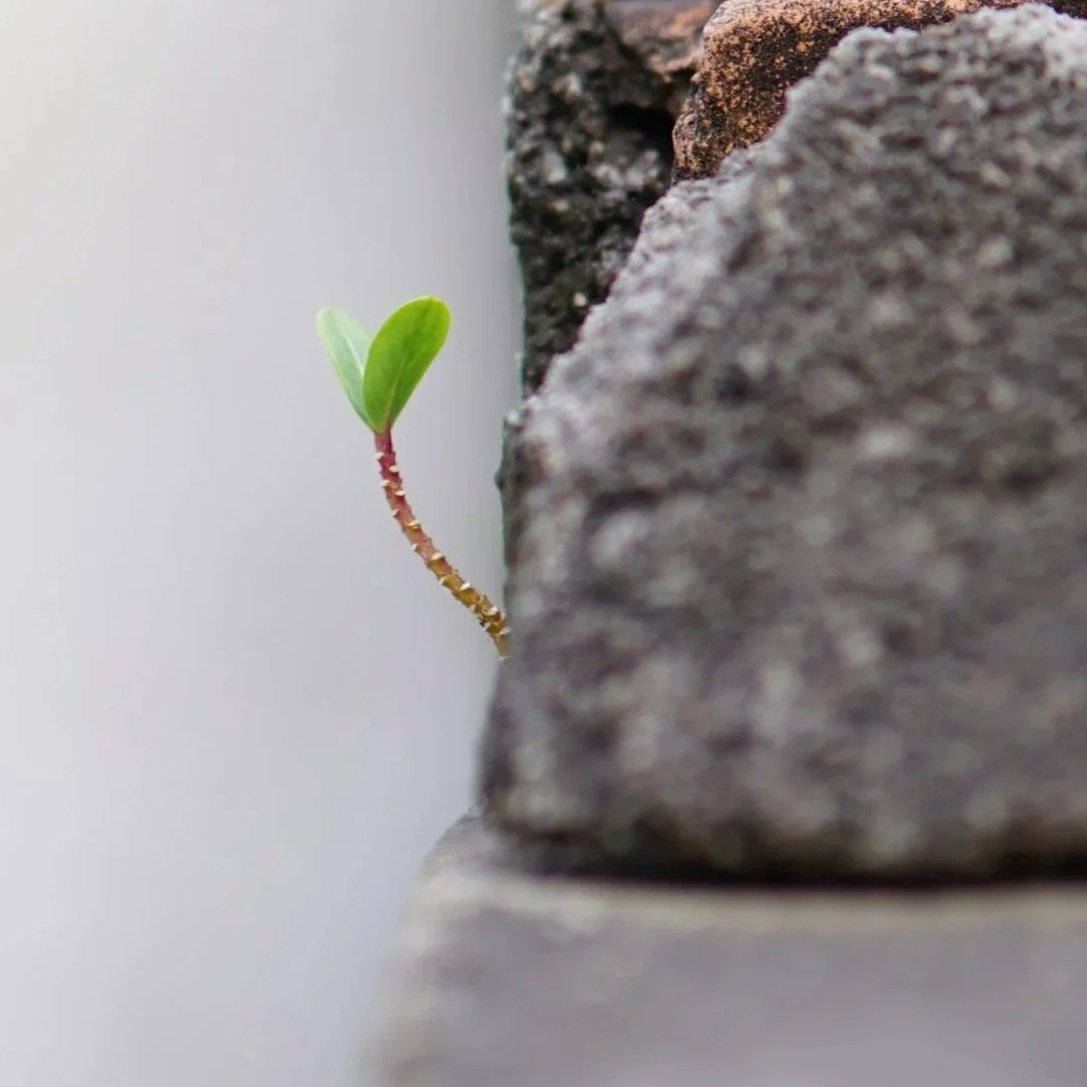
Your body may change. It may not.
What can change is how much of your attention, energy and life gets pulled into fixing, monitoring or fighting it.
Therapy can help make room for something else—for pleasure, rest, grief, connection, choice, and more of you.
Not because you have finally learned to accept every part of your body. Because your life in this body does not have to wait.
WHAT WE’LL ACTUALLY DO
We’ll experiment together. You decide what matters.
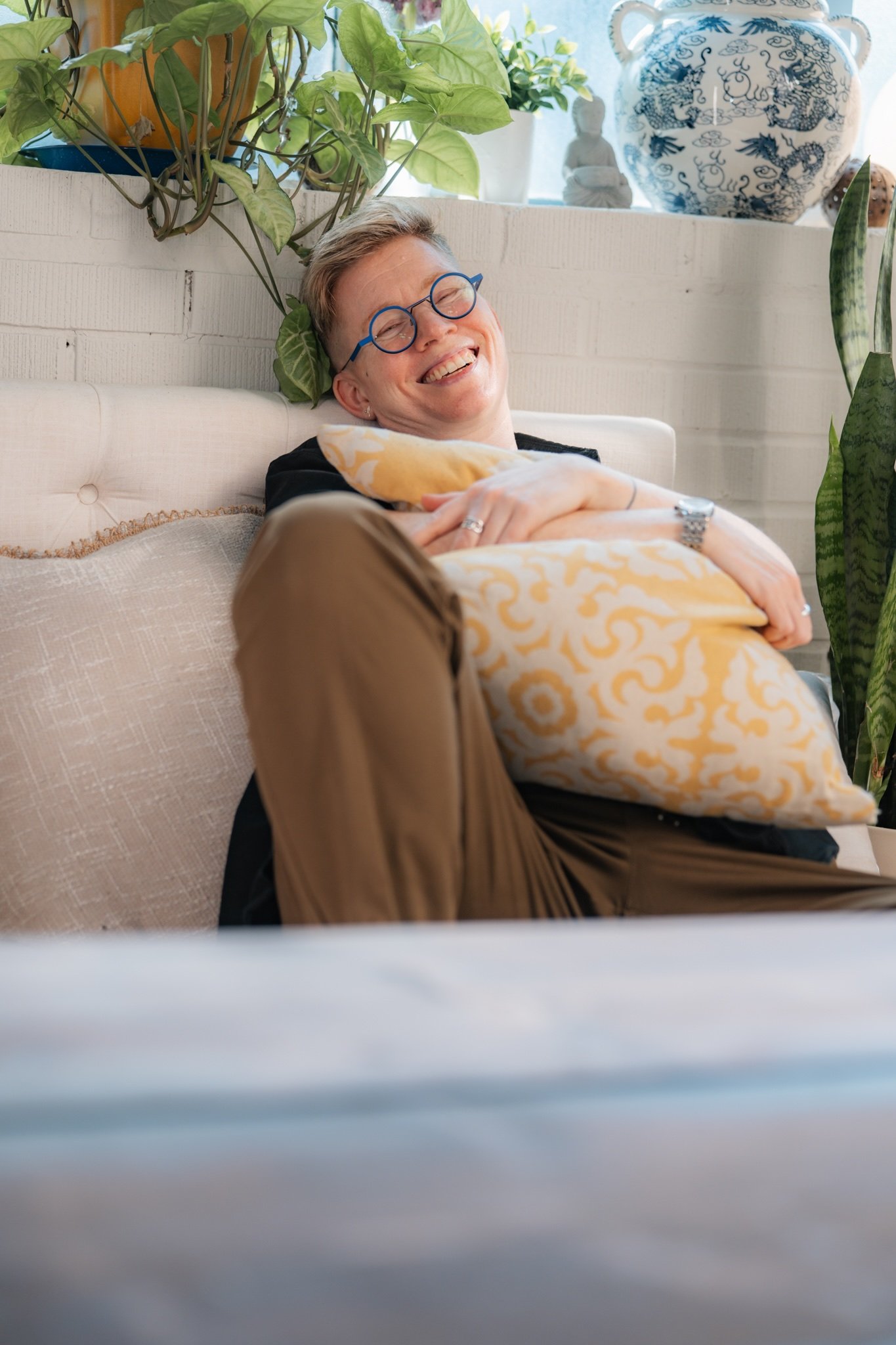
Therapy can help you understand how the struggle began, what it has been trying to accomplish and what has kept it going. But understanding is not always enough to change how something feels.
We’ll also pay attention to what arrives through your body—sensations, memories, images, impulses or shifts that may be difficult to put into words. We can slow down around these experiences and get curious about them without assuming they are problems to solve, instructions to follow or truths you have to accept.
Our work might include:
Using parts work to understand the inner conflicts between parts that fight, monitor, hide or override your body—and parts that may want something different
Experimenting with movement, pleasure, creativity, self-touch, rest, play or simply paying attention
Trying some of these explorations together in session and, when it feels useful, noticing what happens when you bring them into your everyday life
Nothing has to be forced, and every experiment remains an invitation rather than an assignment.
You do not have to force yourself to love your body.
The work is not to arrive at a correct way of feeling. It is to have more choice in how you listen and respond to what arises.
request a free consultation →
look at the logistical details ↓
Your life can become bigger than the struggle.
you don’t have to love your body
You can begin by wanting less conflict, more room or simply a different way to live with yourself.
we’ll work with more than words
We won’t just talk about your body. We'll explore doorways into a different relationship with your body, both in therapy and in the rest of your life.
no part of you is the enemy
All parts of you are welcome. Together, we'll make room for what's difficult without losing access to what's pleasurable and possible.
your life doesn’t have to wait
We don't have to resolve every struggle before making room for joy, connection, and possibility. Life can become bigger than the battle.
the practical details
Online across Ontario and some areas of Canada · 50 minutes · $200
sessions
Free 50-minute consultation, because choosing a therapist deserves time, care and no pressure.
consultation
Accepting clients for weekly or bi-weekly sessions
sliding-scale spots currently full
availability
Registered Psychotherapist in Ontario · CRPO registration # 003647 · extended health benefits may cover sessions
credentials
office hours
Mon, Tue + Thu: 9:45am–5:15pm · Wed: 9:45am–5:45pm
a few questions answered
-
This work may be a good fit if the strategies that once helped you survive are no longer helping you live.
Perhaps self-criticism became a way of motivating yourself.
Perhaps disconnection became a way of protecting yourself.
Perhaps controlling your body became a way of creating safety.
Sometimes people seek this work because they want to feel better about their bodies. Sometimes they seek it because they are tired of organizing their entire lives around managing them.
You may be carrying the impact of body shame, weight stigma, chronic pain, illness, disability, dysphoria, or the long-term impacts of dieting and disordered eating. Or perhaps you simply know you want a relationship with your body that has more room for ease, pleasure, and connection.
Together, we can get curious about what these strategies have done for you, what they may be costing you now, and whether they are still the only options available.
-
No.
For some people, loving their body becomes part of the journey. For others, it doesn't. And that's okay.
Rather than trying to force positive feelings, we'll get curious about the relationship you currently have with your body and the relationship you'd like to create.
I'm not here to convince you that everything about your body is wonderful. Let's be realistic—you likely wouldn't believe me if I tried. The goal is to create a relationship with your body that fits you, that allows more room for connection, self-trust, pleasure, possibility, and living in ways that are meaningful for you in the body you live in now.
Perhaps this looks like more compassion, neutrality, less fighting, or a different kind of respect for what your body offers you. Sometimes it looks like acceptance of your body. Sometimes it looks like acceptance of your feelings and care for them. Sometimes it looks like a new sort of falling in love with yourself.
One is not better than another. What we are aiming for is what fits you.
-
There is no single formula for changing the relationship you have with your body.
Together, we may explore how that relationship was shaped, the parts of you that have been caught in battle with it, and the ways trauma, stress, illness, disability, dysphoria, and family, cultural, and societal messages can influence how you experience yourself.
We'll pay attention to what your body is communicating and explore ways of relating to it with greater curiosity and less force, while supporting your nervous system in accessing greater ease.
If it feels aligned for you, we may also experiment with creating opportunities outside of therapy for movement, creativity, pleasure, rest, play, voice, self-touch, or other experiences that help you discover new ways of relating to your body in everyday life.
The struggle may not entirely disappear. Most of us find it hard to live in the bodies we have sometimes, and that doesn't mean we are doing it wrong. What changing your relationship with your body can offer is the possibility that what is difficult no longer has the loudest voice in the room. Your body can also become a place of connection, pleasure, creativity, rest, and possibility.
-
Understanding something and experiencing it differently are not the same thing.
Many people know exactly where their body shame, self-criticism, fear, or disconnection came from. They may have spent years reading, reflecting, journaling, or talking about it in therapy. Yet the struggle remains.
This doesn't mean you are failing. It often means that the patterns you are working with live deeper than conscious understanding alone. They may be woven through your nervous system, your relationships, and the ways you've learned to protect yourself.
Insight is valuable. It can help us understand what is happening and why. Lasting change, however, often requires new experiences along with supportive understanding.
Part of our work together may involve creating opportunities for your body, nervous system, and different parts of yourself to experience something new. Over time, those experiences can begin to shift what feels possible.
-
Many people come to therapy feeling disconnected from their bodies.
Sometimes that disconnection develops in response to trauma, stress, illness, disability, dysphoria, body shame, weight stigma, diet culture, chronic self-criticism, or simply years of living in a culture that teaches us to monitor and judge ourselves. Often, disconnection is not a sign that something is wrong with you. It is a sign that your nervous system found ways to protect you.
The goal is not to force yourself to feel more than you are ready for.
Instead, we can move at a pace that feels manageable, exploring what connection means for you and finding pathways that feel supportive rather than overwhelming.
For some people that begins with noticing sensations. For others it begins with movement, creativity, rest, pleasure, nature, or learning to listen to the body's signals with curiosity rather than fear.
Connection doesn't have to happen all at once. Small moments of contact can create change.
-
Many people don't, and for good reasons.
Sometimes trust is disrupted by illness, pain, disability, dysphoria, trauma, anxiety, or experiences where the body felt unsafe, unpredictable, or overwhelming. Sometimes it develops after years of being taught to ignore, override, criticize, or distrust what the body is communicating.
Sometimes developing self-trust has very little to do with your body's predictability or your ability to meet all of its needs.
You can have self-trust and still feel surprised by your body, overwhelmed, or knocked down. Sometimes trust means accepting that these experiences happen to all of us, and some of us more than others. It may be about trusting yourself to navigate as best you can as things change, imperfectly and at the pace you can move, finding your way back to yourself even if that looks different than you hoped or different than it used to.
-
Yes.
Many people come to this work carrying very real challenges in their bodies and in their relationships with their bodies. Chronic pain, illness, disability, dysphoria, body shame, weight stigma, and a history of dieting or disordered eating can bring grief, frustration, fear, anger, exhaustion, and loss.
We can explore how these experiences affect your relationship with your body and yourself. We can care for the grief, anger, uncertainty, and the realities of living in a body that does not always feel okay or do what you want, need, or wish it could.
The work is supporting a relationship with your body that makes room for your reality while also making room for connection, pleasure, agency, and possibility.
Note: If you are currently struggling with an active eating disorder, I am not the best fit. I recommend working with a therapist or treatment team with specialized training in eating disorder treatment.
-
Not as a primary area of practice.
I can support people in exploring the impact that body shame, weight stigma, dieting, and past experiences of disordered eating have had on their relationship with their bodies.
If you are currently struggling with an active eating disorder, I am not the best fit. I recommend working with a therapist or treatment team with specialized training in eating disorder treatment.
Got a question that wasn’t answered? I love questions! Get in touch, ask away. →
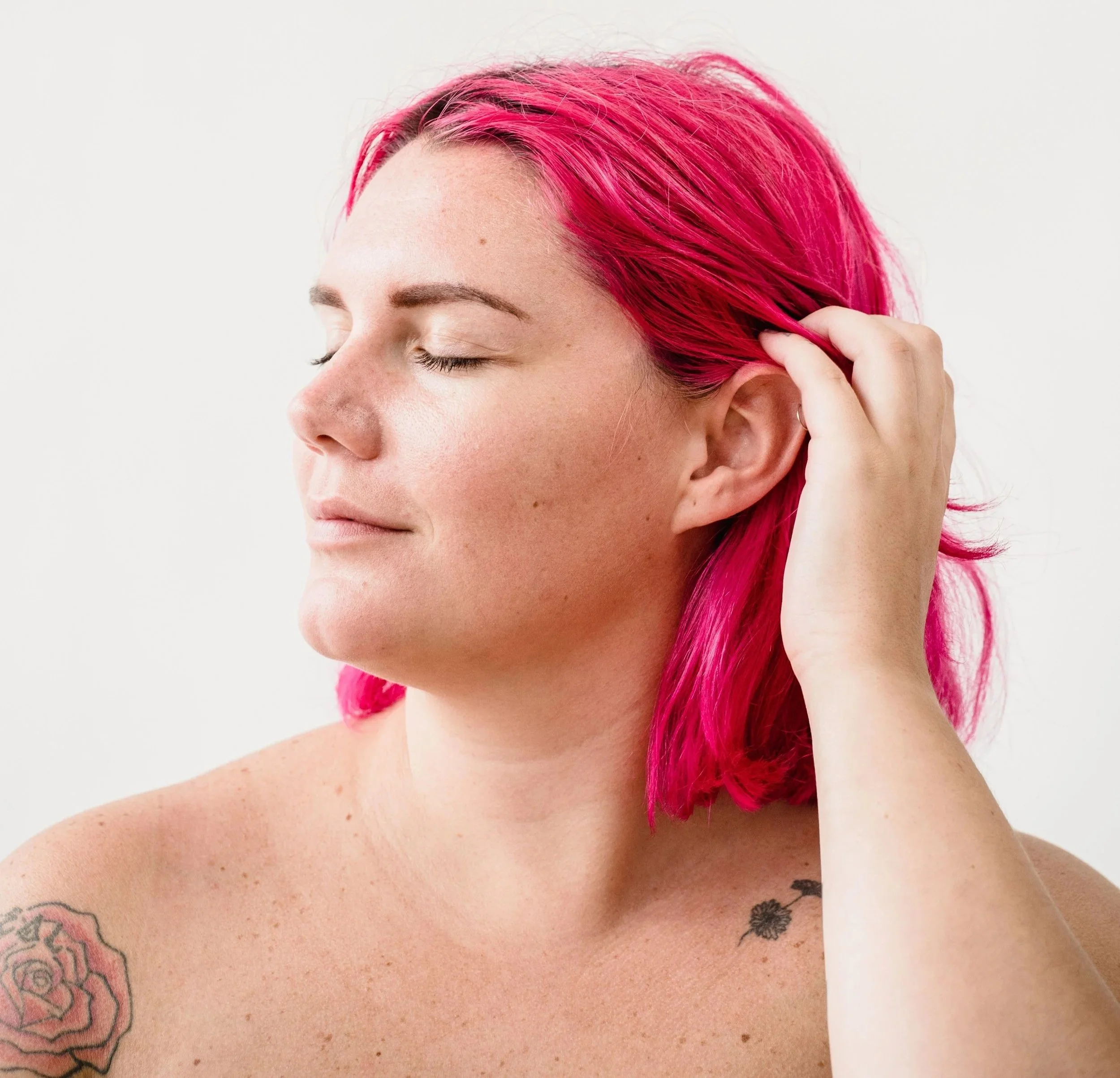
Change is
possible.
you don’t have to figure this out on your own
You only need enough curiosity to wonder whether something better might be possible.