
therapy for sexuality, desire & intimacy
You deserve a relationship with your sexuality that feels good.
You may be asking…

How can I want sex again?
Why does sex feel so stressful?
Am I normal? Am I broken?
Can this ever change?
You don't have to figure this out on your own.
when sexuality becomes a source of stress instead of possibility
The fact that you're still struggling doesn't mean you're broken.

You've spent a lot of time trying to figure this out.
And still:
You feel disconnected from desire
You get stuck in your head
Shame keeps getting the final word
Your body doesn't respond the way you want it to
You struggle to ask for what you want
Sex feels more stressful than enjoyable
You've tried hard to make things better.
Therapy can help you understand what's getting in the way and create more room for authenticity, connection, pleasure, and aliveness.
request a free consultation →
Sex is about sex—and more than sex.
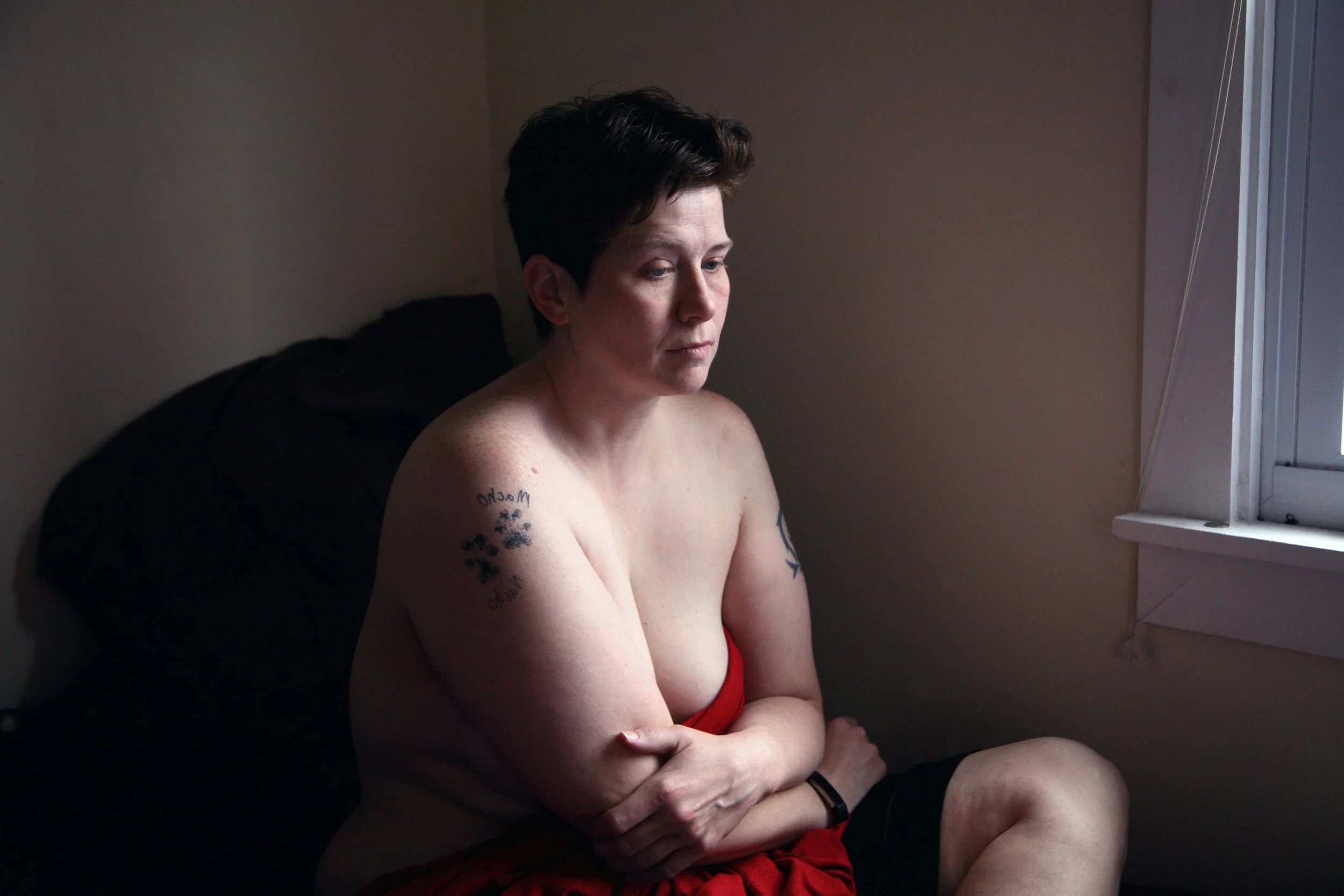
You are welcome to talk plainly here about desire, arousal, orgasm, erections, ejaculation, pain, kink, pleasure, gender questions and whatever else is actually happening. You won’t have to hint around the details.
What happens sexually can also be shaped by your body and health, nervous system, relationships, stress, past experiences, culture, shame and the stories you have learned about how sex should work.
We can look at the whole picture without assuming that any one part explains everything—or treating the concern that brought you here as something to look past.
What might feel different.

There is no standard outcome for sex therapy. You might want:
Less anxiety or self-monitoring during sex.
A clearer understanding of desire—including whether you want more, less or something different.
More ease naming and communicating your boundaries, wants, needs, yeses, nos and maybes.
Less pressure to perform or have your body respond in a particular way.
More trust in your own experience and choices.
More room for pleasure, connection, play or curiosity—if those matter to you.
Or you may want something that is not on this list.
You do not need to become a different person—or a more sexual one. You decide what matters and what, if anything, you want to change.
What we’ll actually do.

We’ll start with what is happening now—what feels difficult, what feels missing, what you want more or less of and what, if anything, you want to change.
Together, we might:
Understand what sits beneath difficulties with sexuality, desire, pleasure or intimacy.
Notice how shame, anxiety, self-criticism, past experiences or cultural messages may be shaping what happens now.
Explore what desire, pleasure and play mean for you—without assuming you should want more sex.
Get clearer about boundaries, wants, needs and how to communicate them.
Talk plainly and work practically with arousal, orgasm, erections, ejaculation, pain or whatever else is happening.
Explore kink, fantasies and sexual interests without judgment.
Consider how gender questions or change may shape desire, pleasure and intimacy.
Build a relationship with your body based less on correction and more on attention, care and choice.
This isn’t a program to complete or a set of techniques to perform correctly. We’ll use practical tools when they help, stay curious about what is happening and keep returning to what matters to you.
The goal is not to make your sexuality look more normal. It is to help you understand what is happening and move toward more choice, connection and ease—on your terms.
request a free consultation →
look at the logistical details ↓
see how I think, read my articles →
Your sexuality is more than a problem to solve.
your pleasure matters here
Pleasure is not a reward for healing. It can be a source of information, possibility and aliveness.
your sexuality has a context
Sexuality is personal, but it is never only personal. Your sexuality is shaped by relationships, culture, gender, and the systems we live within, we’ll make room for the larger context and what is uniquely yours.
your body is included in the therapy
Lasting change often requires the body to experience something new, not just the mind. Your body will be included.
I bring lived experience
I bridge multiple generations of queer and trans experience, bringing both lived experience and professional expertise.
the practical details
sessions
Online across Ontario and some areas of Canada · 50 minutes · $200
consultation
Free 50-minute consultation, because choosing a therapist deserves time, care and no pressure.
availability
Accepting clients for weekly or bi-weekly sessions
sliding-scale spots currently full
credentials
Registered Psychotherapist in Ontario · CRPO registration # 003647 · extended health benefits may cover sessions
office hours
Mon, Tue + Thu: 9:45am–5:15pm · Wed: 9:45am–5:45pm
-
Sex therapy is not simply regular therapy that happens to mention sex. It includes specific knowledge and training related to desire, arousal, orgasm, erections, pain, kink, fantasy, gender, pleasure, and the many ways sexuality intersects with relationships, identity, and culture.
The somatic part means we also pay attention to what is happening in your body. Alongside exploring thoughts, emotions, and experiences, we may notice sensations, tension, breathing patterns, impulses, pleasure, anxiety, or nervous system responses that are shaping your experience outside of conscious awareness. We may also practice ways to connect with your body and regulate your nervous system.
Many people understand something intellectually long before they experience it differently in their bodies. Somatic work helps bridge that gap, creating opportunities for new experiences of safety, choice, pleasure, and connection.
-
You can bring concerns related to low desire, difficulty with arousal or orgasm, erection challenges, early ejaculation, pain, shame, kink, fantasy, sexual anxiety, body image, gender, communication, or feeling disconnected from your body or sexuality.
You do not need to have a clear diagnosis or a perfectly formed explanation. It is enough to know that something about your relationship with sexuality feels confusing, painful, stressful, or unresolved.
If you are experiencing concerns such as pain, changes in desire, difficulty with arousal, orgasm, or erections, it can be helpful to rule out possible medical causes alongside therapy. Sexuality is shaped by both body and mind, and it is important to consider both.
-
Yes. Differences in desire, sexual interests, or sexual frequency are common, but they can become painful when they begin to feel like rejection, pressure, failure, or incompatibility.
While I do not offer couples therapy, individual therapy can help you better understand what is happening beneath the difference. We may explore what sex means to you, what needs or longings are being expressed through it, and how your experiences, relationships, and beliefs shape your sexual life.
Sometimes the work involves finding new ways to communicate. Sometimes it involves grieving, accepting, or renegotiating differences. And sometimes people discover possibilities for intimacy, pleasure, and connection that they had not previously imagined.
-
I work with many people who identify on the asexual spectrum, are questioning, or are trying to better understand their relationship with sexuality.
Sex therapy is not about making people want more sex. It can be a place to explore desire, intimacy, identity, pleasure, pressure, boundaries, and the expectations that others—or our culture—may place on us.
Some people come to better understand themselves as asexual. Others discover something different. The goal is not to arrive at a predetermined answer, but to create space for curiosity rather than pressure.
The goal is not to decide who you should be, but to develop a relationship with yourself that feels more authentic and self-trusting.
-
Many neurodivergent people find that common advice about sex, relationships, and communication simply doesn't fit their lived experience.
Sensory sensitivities, differences in desire, difficulty identifying or communicating needs, masking, burnout, social expectations, and experiences of feeling "too much" or "not enough" can all shape our relationship with sexuality.
Therapy can be a place to better understand your unique experience rather than trying to force yourself into a model that was never designed for you.
Therapy can be a place to develop a relationship with yourself, your body, and your sexuality that feels more authentic and sustainable for you.
-
If something is taking up uncomfortable space in your mind, body, relationship, or sense of self, it is worth taking seriously.
Sexual concerns often come wrapped in shame, embarrassment, or the feeling that you “should” be able to figure them out alone. You do not need to wait until things feel overwhelming to reach out.
-
That is completely okay.
Many people were never given clear, kind, or useful language for talking about sex. We can go slowly, use plain language, pause when needed, and find words together. You do not need to arrive already knowing how to talk about everything.
-
That is not uncommon. Many of my clients have done therapy before.
Sometimes therapy has focused on understanding without creating new experiences. Sometimes it has not been informed enough about sexuality, gender, queer experience, or the realities of living in a body.
We can talk about what did and did not feel helpful in previous therapy and explore whether this approach feels like a better fit.
-
The consultation is a free 50-minute online conversation. Most therapists offer much shorter consultations, but I intentionally make mine longer because sexuality can be a vulnerable topic to discuss, and I want there to be enough space for you to settle in, ask questions, and get a genuine sense of who I am before making any decisions.
Before we meet, you'll have the option of completing an intake form. Many people find it a useful opportunity to reflect on what brings them to therapy, and I read it carefully beforehand so we can have a more meaningful conversation.
During the consultation, we'll talk about what brings you to therapy, what you are hoping for, and how I might be able to help.
There is no pressure to move forward. The goal is simply to see whether working together feels right for both of us.
a few questions answered
Got a question that wasn’t answered? I love questions! Get in touch, ask away. →

Change is possible.
you don’t have to figure this out on your own
You deserve a relationship with your sexuality that feels more connected, pleasurable, and alive.